
The Body’s Secret Scribbles
Oncoliq
By Consuelo Valverde
October 2025
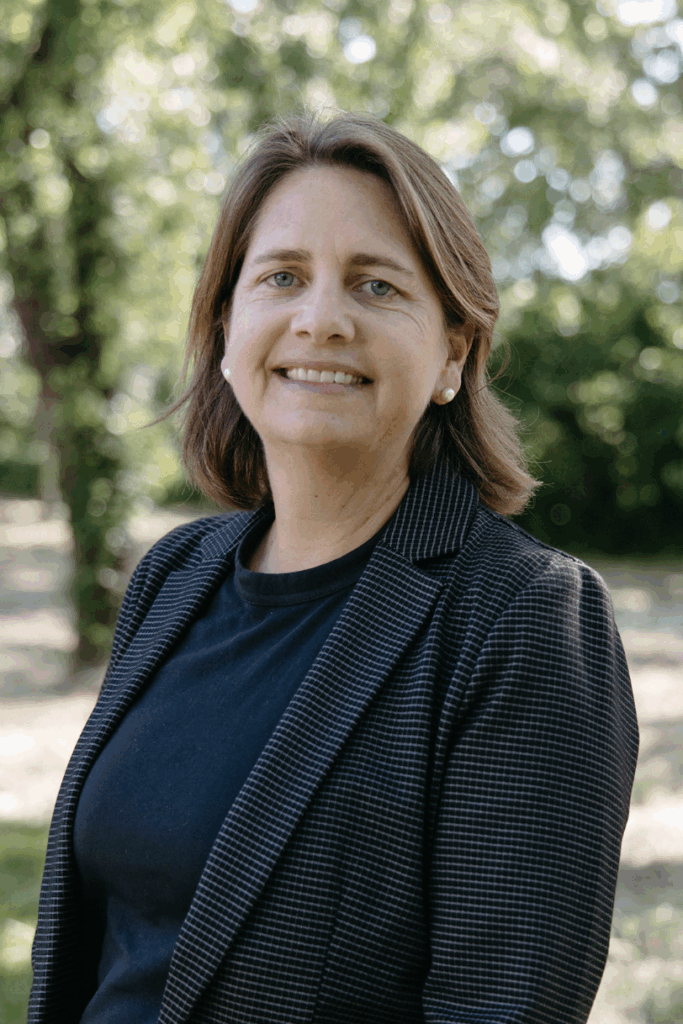
The body is always writing. Tiny strands of microRNA—its secret scribbles—carry messages in the blood that medicine has long overlooked. For Marina Simian, Ph.D., CEO and co-founder of Oncoliq, those scribbles hold the earliest clues to cancer, clues that could mean the difference between life and death.
“The reality is we screen for very few cancer types,” Marina says. “There are ten cancers that make up over 90 percent of patients. But today, women get breast, cervical, and colorectal screening after 50; men get prostate and colorectal. That’s it. With the technology we have in the world today, it makes no sense.”
She has seen the consequences firsthand: close friends, under fifty, struck by colorectal cancer. One already gone, the other fighting for life. No family history, no risk factors—just a system that waits too long to act. It’s how late cancer is diagnosed that makes it feel like a death sentence—and that is what must change.
The paradigm shift
Oncoliq is building a new front line. Instead of waiting for a lump to appear on a mammogram or a polyp on a colonoscopy, their tests detect signals in the blood—microRNAs that serve as biomarkers for cancer. Combined with machine learning, the technology can identify cancers like breast, lung, ovarian, or pancreatic before symptoms appear.
“The advantage of microRNAs is that they can be measured by PCR, which after the pandemic is now installed everywhere in the world,” Marina explains. “And when you combine that with data science, you can shift the whole paradigm. You don’t have to see the tumor first—blood tells you something is happening.”
Early results already rival or exceed traditional imaging. A mammogram has an average sensitivity of 79 percent, dropping to 60 percent in women with dense breast tissue. Oncoliq’s test has reached 82 percent—and is climbing. In comparison, the only blood-based cancer screen currently on the U.S. market, GRAIL’s Galleri, detects breast cancer at just 30 percent.
“This has to become something you check every year in your blood. That’s how we change the story of cancer.” — Marina Simian, Ph.D.
A team built on trust
For all the science, what Marina emphasizes most is the human foundation. Oncoliq is a team of ten—but one that carries decades of shared history. Many trained together in academia, some for nearly twenty years.
“One of Oncoliq’s cultural pillars is trust. I trust the team’s work completely, and that creates a positive feedback loop. When problems arise and become challenges, we know we’ll solve them.”
That trust has fueled momentum. In the past year, Oncoliq has closed a seed round, is robotizing its lab processes, and preparing its first product, Oncoliq Mama, for market launch. Even now, while offering HPV screening campaigns as a pathway to scale, the company is learning how to deliver complete end-to-end solutions—technology, logistics, cloud data—at once.
Looking ahead
Marina believes the next decade can be transformative. “This has to become something you check every year in your blood,” she says. “Detect it, treat it quickly, and move on.”
That vision—simple, annual blood tests as the norm—could bend both survival curves and healthcare costs, shifting resources from late-stage, high-cost treatment to prevention. The future, as Marina sees it, is one where cancer checks are as simple as a blood draw—an everyday act that quietly saves lives.